



The BTX Café stops in Rome for Breast Cancer Awareness Month: “beauty as an act of care”
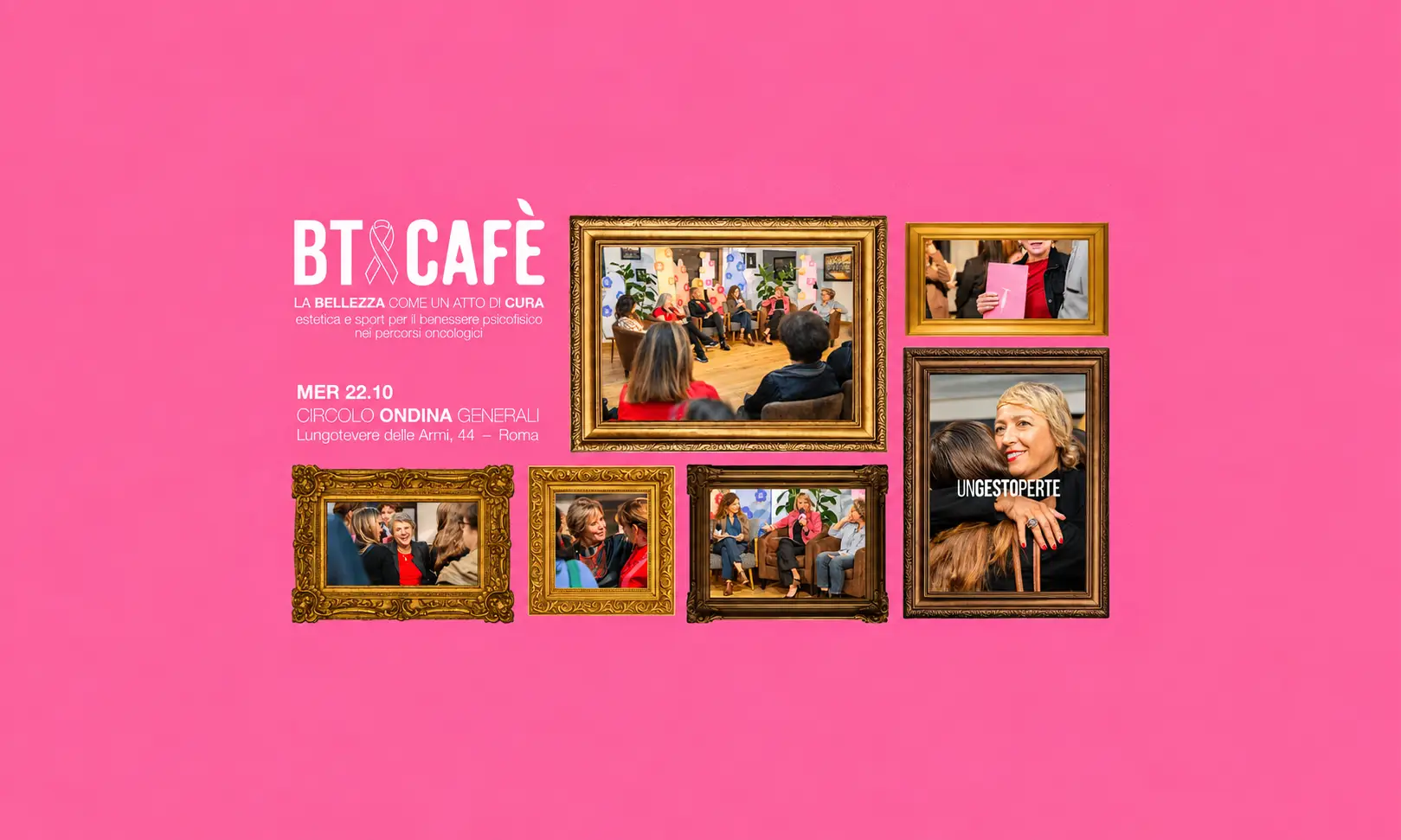
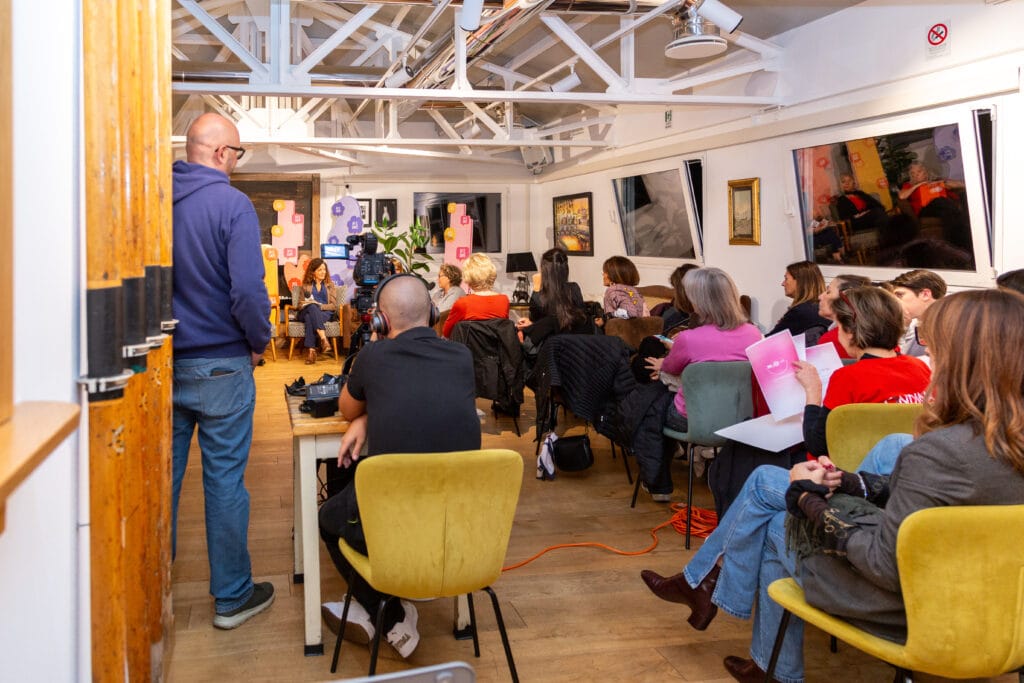
On Wednesday, October 22nd, Rome hosted the third stop of the tour on the charming </SEGMENT 1] Ondina </SEGMENT 2] floating venue moored on the banks of the Tiber, the third stop of the </SEGMENT 3] BTX Café, the live beauty talk by </SEGMENT 4] BTX Bar, held during Breast Cancer Awareness Month.</SEGMENT 5]
The theme of the meeting: </SEGMENT 6] “Beauty as an act of care”</SEGMENT 7], an opportunity for dialogue and sharing among doctors, patients, and the public to explore the role of aesthetics as an integral part of the treatment journey for oncology patients.</SEGMENT 8]
Watch the full video of the third episode here:</SEGMENT 9]
BTX Bar once again confirms its </SEGMENT 10] person-centered </SEGMENT 11] approach and its </SEGMENT 12] “out of the box” </SEGMENT 13]vision, addressing delicate topics such as cancer and female rebirth with sensitivity, empathy, and a constructive spirit.</SEGMENT 14]
The talk brought to light stories and reflections that touch women's daily lives: the psychological support that is often hard to ask for, the overly expensive wig, the aesthetic treatment dismissed as “frivolous,” and the time taken away from personal well-being, sports, or relationships.</SEGMENT 15]
Life beyond illness</SEGMENT 16], of women who remain mothers, wives, workers, and </SEGMENT 17] caregivers </SEGMENT 18] alongside a body and psyche that need to be rebuilt: this was the common thread of the testimonials that moved the audience, moderated by journalist </SEGMENT 19] Laura Bastianetto.
The voice of women: in search of balance during metamorphosis</SEGMENT 20]
The female body undergoes constant metamorphosis, from puberty to menopause, influenced by biological, hormonal, and social changes.
Breast cancer represents a profound fracture in this journey: it imposes radical transformations—surgical, hormonal, and identity-related—leaving behind both visible and invisible scars.
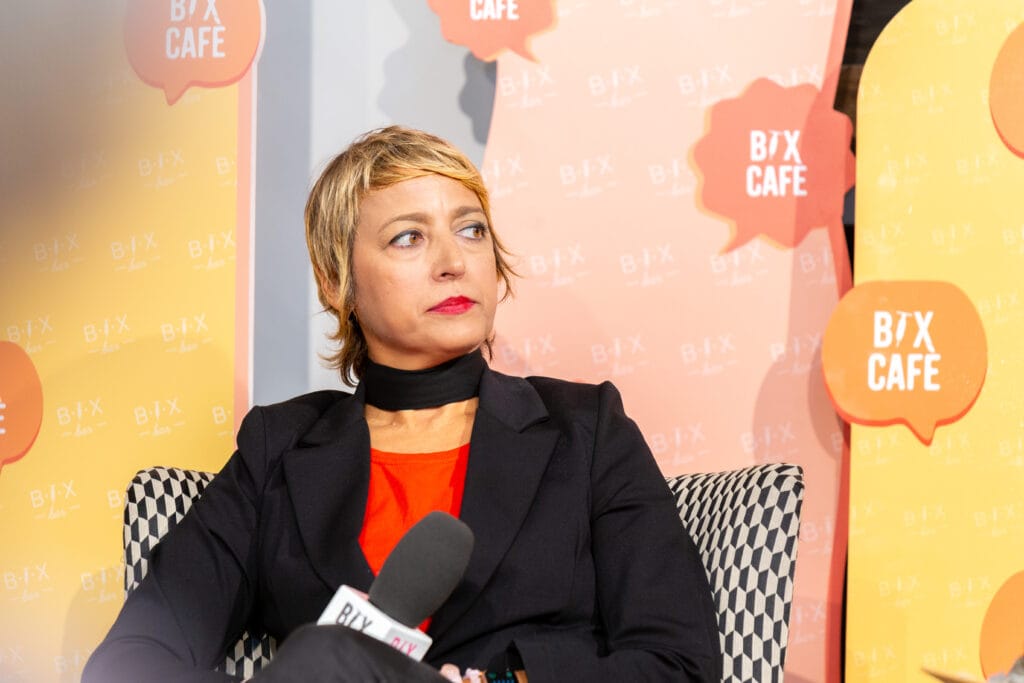
“With chemo, I lost everything: my hair, eyelashes, and eyebrows. I would look in the mirror and no longer recognize my own face» says Luana Leccese, of the Wow Rowing Team, still undergoing experimental treatment. «Every morning, I had to draw my entire face. At first, I watched tutorials because I didn't know how to do it. Women should be supported in this, too: illness is a metamorphosis, and often, you no longer recognize yourself”.

This is also highlighted by Giusy Giambertone, a university professor of Trichotechnology and treasurer of the Fondazione Prometeus ETS, which founded the Wig Bank, a solidarity network that allows women who no longer need them to donate their wigs to those who cannot afford them. Because the economic abuse is also fought this way, by allowing patients to save money for an extra diagnostic exam or simply for drinks with friends.
“Hair is part of our identity – she explains – it is non-verbal language, an expression of seduction, a symbol of femininity or strength. Losing one's hair, even for a life-saving treatment, means experiencing the sense of loss firsthand. Giving back a wig means giving back dignity.”.
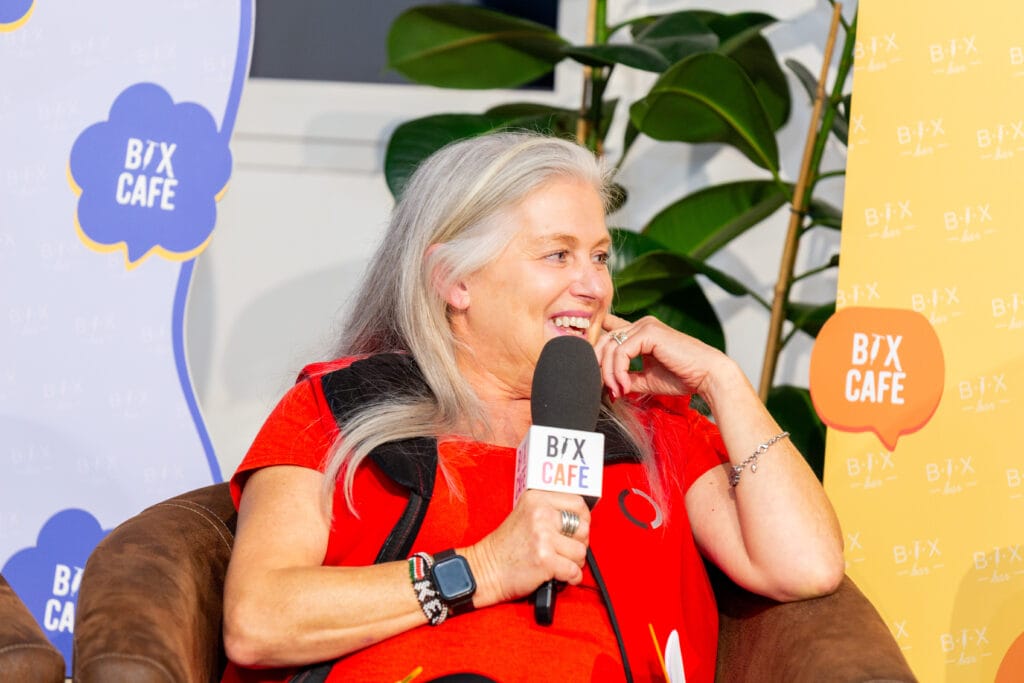
ForNadia Betti, President of the Wow Rowing Team, believes that rowing, psychotherapy, and even a simple drink with friends can be "acts of care":
«For us, beauty, sport, and sharing are all forms of therapy. It means improving our quality of life.”.
Beauty or vanity. It is a dilemma that women know well, and it can even resonate as an intrusive thought during the course of an illness.
TheDr. Camilla Di Pasquali, founder of BTX Bar, highlighted how aesthetic medicine can be a powerful psychological and therapeutic ally for women undergoing cancer treatment:
“Patients often feel judged – or judge themselves – even in front of an aesthetic doctor. But in these cases, aesthetic medicine should not be considered a luxury: it is a true therapeutic act.”.
It is essential for the doctor to haveempathy, which allows them to identify fears and needs. Even those that the patient struggles to express.
“Every defeat – Di Pasquali reminds us – is a defeat for both, and every rebirth is a rebirth for both. Plastic surgery and aesthetic medicine can help the spirit reclaim something that the illness has taken away.”.
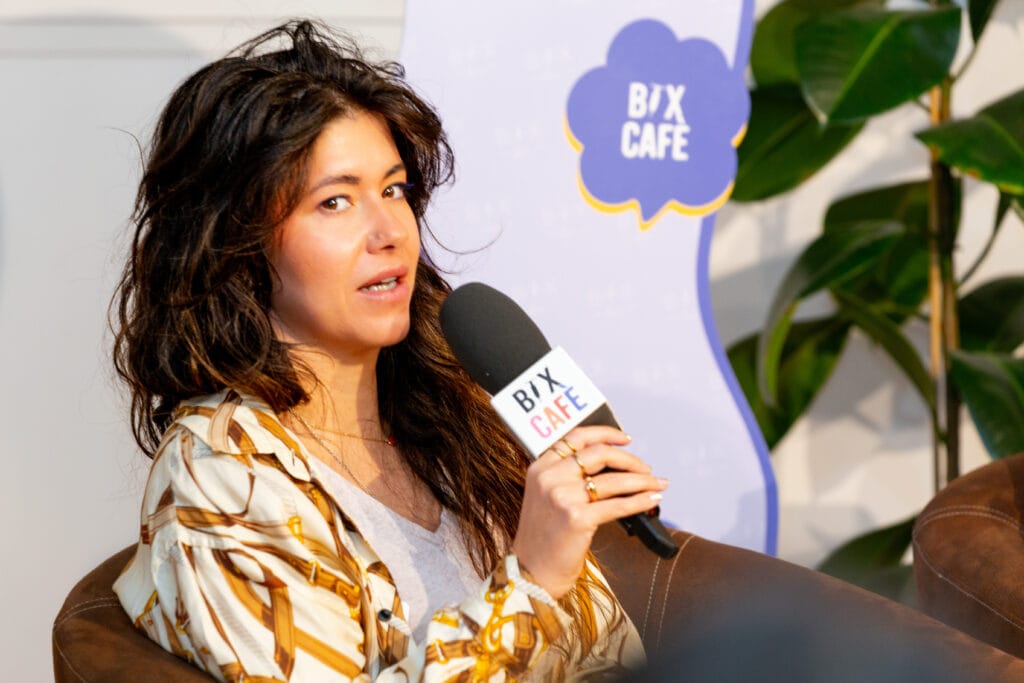
This view is shared by Dr. Daniela De Berardinis, Director of the Clinical Psychology Unit Fatebenefratelli Isola Tiberina Hospital, Rome, who added:
“Fear is an emotion we all experience when faced with a diagnosis that abruptly interrupts our life's path. Through its reconstructive act—even metaphorically—aesthetic medicine contributes to the reconstruction of identity. Together with sport, it puts back together what illness tears apart. It is an act of reconnection with life.”.
Proximity as a core value of care
The concept of proximity – in medicine as in society – is at the heart of the mission of BTX Bar, which for this episode of BTX Café chooses to step out of the clinics to get closer to life and to patients, creating opportunities for dialogue, listening, and shared reflection.
Each talk thus becomes a moment of education on conscious beauty and guidance in care, to support people in their search for their own “best version of themselves.”