


Semaglutide face: aesthetic medicine solutions
Obesity is a chronic, complex, and multifactorial disease. For treatment to be effective and lasting, it requires a multidisciplinary medical approach that informs and involves the patient in every decision.
On World Obesity Day,World Obesity Daywe will review the latest medical advancements in the fight against this epidemic that affects over one billion people worldwide (it is estimated that by 2035, half of the global population will be overweight or obese). We will explore how surgery and, above all, aesthetic medicine pharmacology have become the best allies for internists, endocrinologists, nutritionists, bariatric surgeons, and psychologists—but most importantly, for the patient who intends to revolutionize their metabolic and, above all, psycho-physical "system."
Those affected by this disease, in addition to having to find daily motivation and fight the stigma of a society (sometimes including the more regressive medical community) that is fatphobic and discriminates against and blames people with "non-conforming" bodies, risks losing the joy of losing weight.
The collateral damage of significant weight loss
Losing weight and feeling less attractive is a paradox. Yet, the "collateral damage" of significant weight loss can include a series of aesthetic issues that leave the face and other parts of the body sagging and lacking tone. The face becomes gaunt, with the emergence of new lines and wrinkles; skin laxity becomes generalized, and skin in many areas of the body becomes flaccid, with excess tissue that may sometimes require surgical removal.
Thanks to the latest medical advancements in the treatment of obesity, weight loss can also be very rapid. There is a wide range of bariatric surgeryvarying in invasiveness, just as it is now possible to prescribe "new" medications (starting from certain levels of obesity and/or comorbidities with other conditions) such as liraglutide,semaglutide or tirzepatide, which have been used until now for the treatment of diabetes.
Just as these medications have, in some cases, resolved obesity conditions that were once only treatable through surgery, aesthetic medicine has evolved to the point of successfully replacing cosmetic surgery to treat some of the aesthetic concerns associated with massive weight loss.
Semaglutide face and weight loss
The term "Semaglutide face" or "Ozempic face" is used to describe the loss of volume in the face and neck caused by rapid weight loss achieved through the use of the drug, a phenomenon of recent years. Made famous by Hollywood stars who use it to shed pounds quickly, its use in Italy has been authorized for the treatment of obesity since 2024.
The active ingredient in this medication (marketed in Italy as Ozempic or Wegovy) is semaglutide: a molecule that—to put it simply—works by tricking the brain into creating a feeling of satiety and fullness, reducing the frequency and intensity of appetite, slowing down stomach emptying, and encouraging those who take it to prefer healthier foods over high-fat and high-calorie options.

The aging effect on the face
In patients, treatment with semaglutide results in:
- an average body weight loss of 21.1%;
- a 41.8% reduction in superficial temporal fat volume;
- a 69.9% volumetric loss in superficial cheek fat.
Patients treated with semaglutide appear on average 5 years older than those not undergoing this therapy. Rapid weight loss, in fact, causes significant volumetric changes to the face similar to those typical of aging processes.
The "side effects" of semaglutide face are directly proportional to the speed at which the weight loss occurred and the age of the individual: in younger people, connective structures are more resilient and the skin, being firmer, maintains greater elasticity. On a more mature face, however, skin quality is lower and subject to gravity, muscle weakening, and bone resorption. In individuals over 40 the decline is due not only to weight loss, but also to initial aging processes: bone resorption, involution of deep fat compartments, and muscle-ligament laxity. Weight loss further accelerates the natural facial aging process.
Prevention and treatment with aesthetic medicine
La aesthetic medicine can significantly improve the quality of life for obese or formerly obese patients through various procedures that address the aesthetic and functional issues resulting from weight loss. Along with gradual weight loss, a balanced diet, and facial exercises, aesthetic medicine has established itself as the gold standard of strategies for preventing and/or addressing these issues.
The number of non-surgical treatments for improving body skin laxity is growing worldwide, rising by 40.9% in just four years, from 2019 to 2023. Below are the main treatment indications, based on the severity of the patient's initial condition:
- Dermal fillers for facial bio-restructuring
- Non-surgical lifting procedures (e.g., radiofrequency-based devices)
- Lipofilling
- Surgery
A case study by Dr. Camilla Di Pasquali
Not only patients but also the scientific community require training regarding these new, non-invasive, and effective trends in aesthetic medicine.
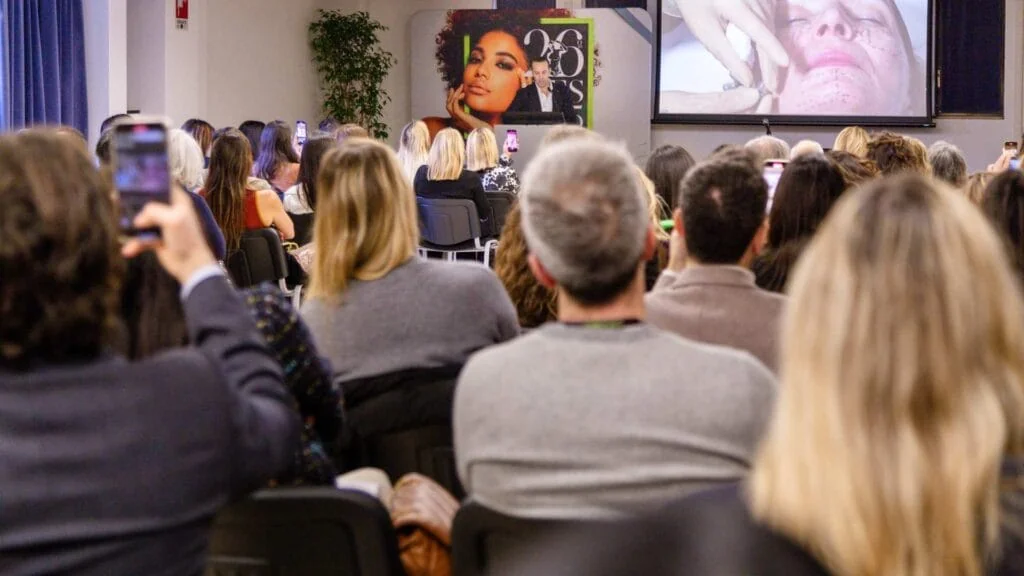
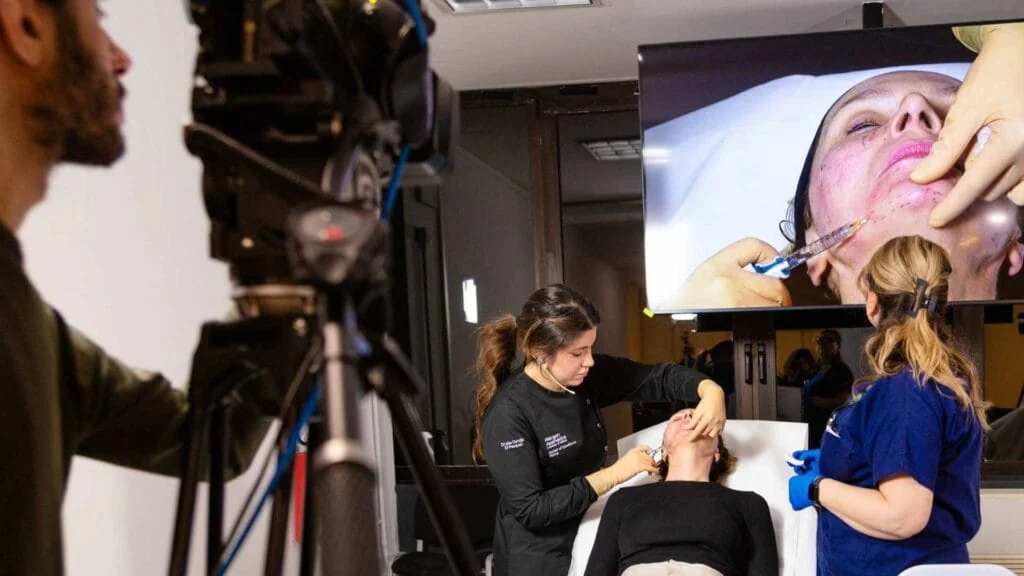
In this regard, Dr. Camilla Di Pasquali, plastic surgeon, founder and Medical Director of BTX Bar, she was panelistandlive injection trainer during the 26th International Congress of Surgery and Medicine Aesthetics of SIES (Italian Society of Aesthetic Medicine and Surgery), last February in Bologna.

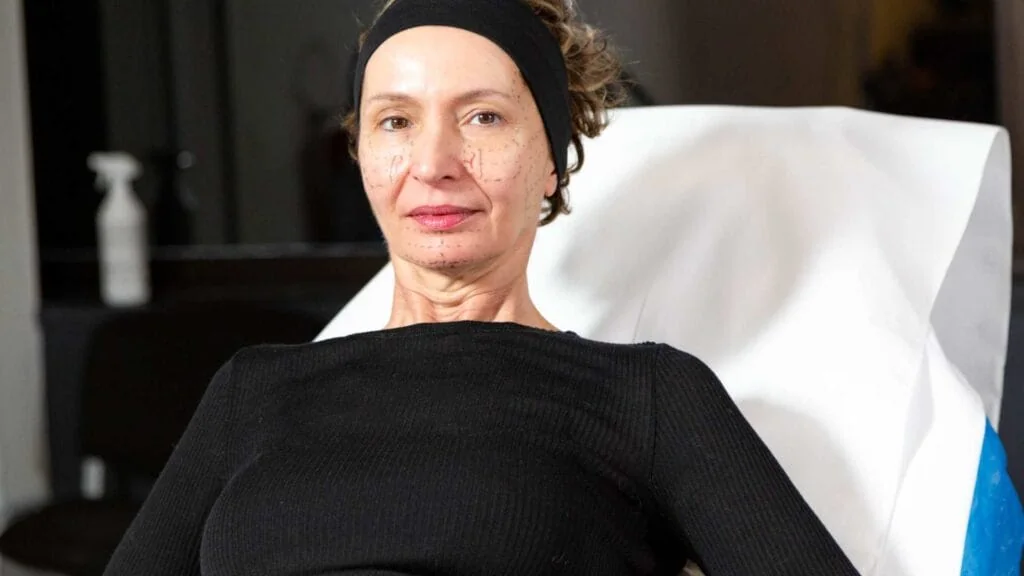
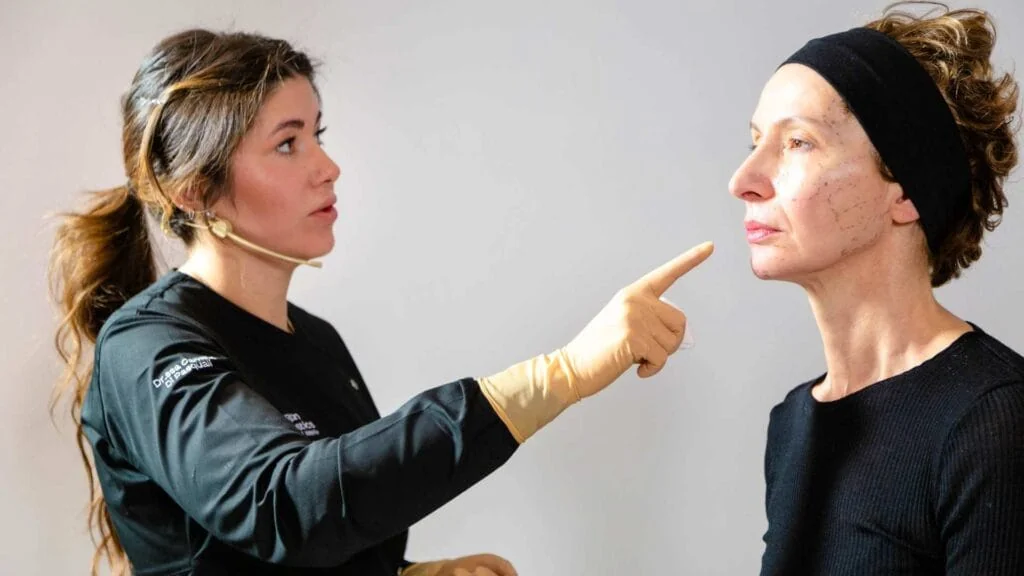
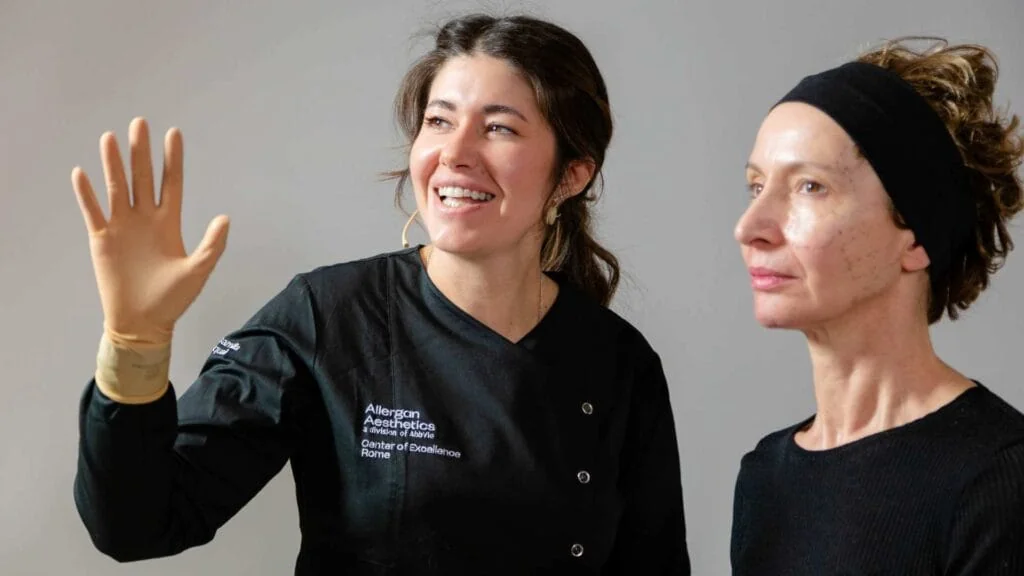
Chosen by Allergan Medical Institute as a trainer for its centers of excellence and confirmed for her expertise at the congress, Dr. Di Pasquali presented the case of Anna to a packed audience of fellow physicians in Bologna. Anna is a woman over 50 who had never previously undergone aesthetic medicine treatments.
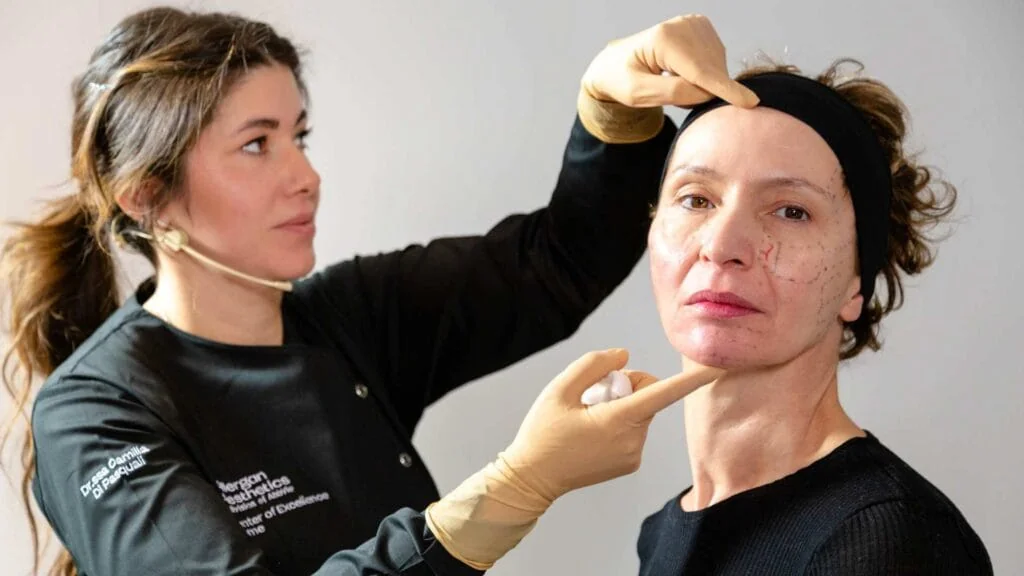
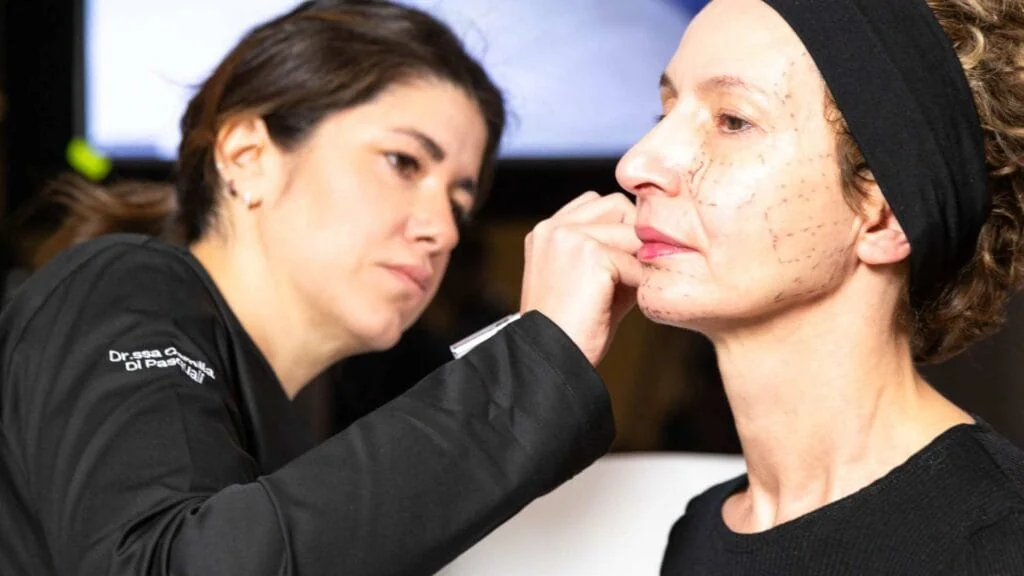
"We performed a multilayer treatment using the hybrid anti-aging facial filler HArmonyca," explains Dr. Di Pasquali. "Based on the patient's needs, we reconstructed bone resorption and deep tissues with hyaluronic acid specific to the area. We also improved the structural projection of the chin, which was constitutionally deficient, and tightened the ligaments of the facial musculoaponeurotic system. Finally, using a product capable of improving skin quality, we treated the cheekbone, pre-auricular area, and jawline for lifting and the restoration of the skin's collagen component."





MD Codes for dynamic emotional beauty
The hyaluronic acid injection techniques practiced by Dr. Di Pasquali were codified by Dr. Mauricio De Maio, a Brazilian plastic surgeon and pioneer of the concept ofdynamic emotional beauty.
Drawing on a perfect anatomical knowledge of the face, Dr. De Maio has translated the know-how refined in the operating room to the world of aesthetic medicine. The goal of aesthetic treatment is to address theentire structure of the face with latest-generation hyaluronic acid fillers, while respecting the individual's features,expressiveness, and the emotions that every face conveys. Like a sculptor, the doctor does not impose an external aesthetic standard on the face, but rather brings out thebest version of itself.
To achieve these results, De Maio has developed and shared with the scientific community the "MD Codes" technique, a standardized intervention code that allows for personalized treatment to ensure optimal and consistently predictable results.
This involves 75 precise injection points, defined by anatomical and surgical data of the various facial compartments, taking into account bone structure, fat pads, and nerve and vascular structures. Each injection point corresponds to a specific type of hyaluronic acid based on the desired effect, while considering local anatomical factors such as underlying bone resorption or fat loss, as well as the mobility of the area and its movement before and after potential correction. Injection volumes are also codified to avoid over-correction.
Morpheus8, the device that melts fat and turns back the clock
"RegardingOzempic face - concludes Di Pasquali - the mechanism of 'apparent aging' is exacerbated by the sudden depletion of superficial fat compartments, which leads to tissue sagging. For this reason, one must intervene during therapy to prevent sagging, using products that stimulate skin regeneration and, after weight loss, restoring volume. For the body, specific devices can be used for mechanical slimming. Naturally, it is preferable for patients to maintain a lifestyle that includes regular physical activity. The final option remains surgery, if there is too much excess tissue.»
Another great ally for those undergoing a weight loss journey is Morpheus8, a state-of-the-art electromedical device that combines the benefits of radiofrequency with microneedling for full-body subcutaneous fat remodeling. A non-surgical alternative to a facelift, this device is able to firm and smooth the skin while simultaneously stimulating the production of collagen and elastin , slowing down the natural aging process of the face and body.