




Kids Skincare: How to market to children's skin
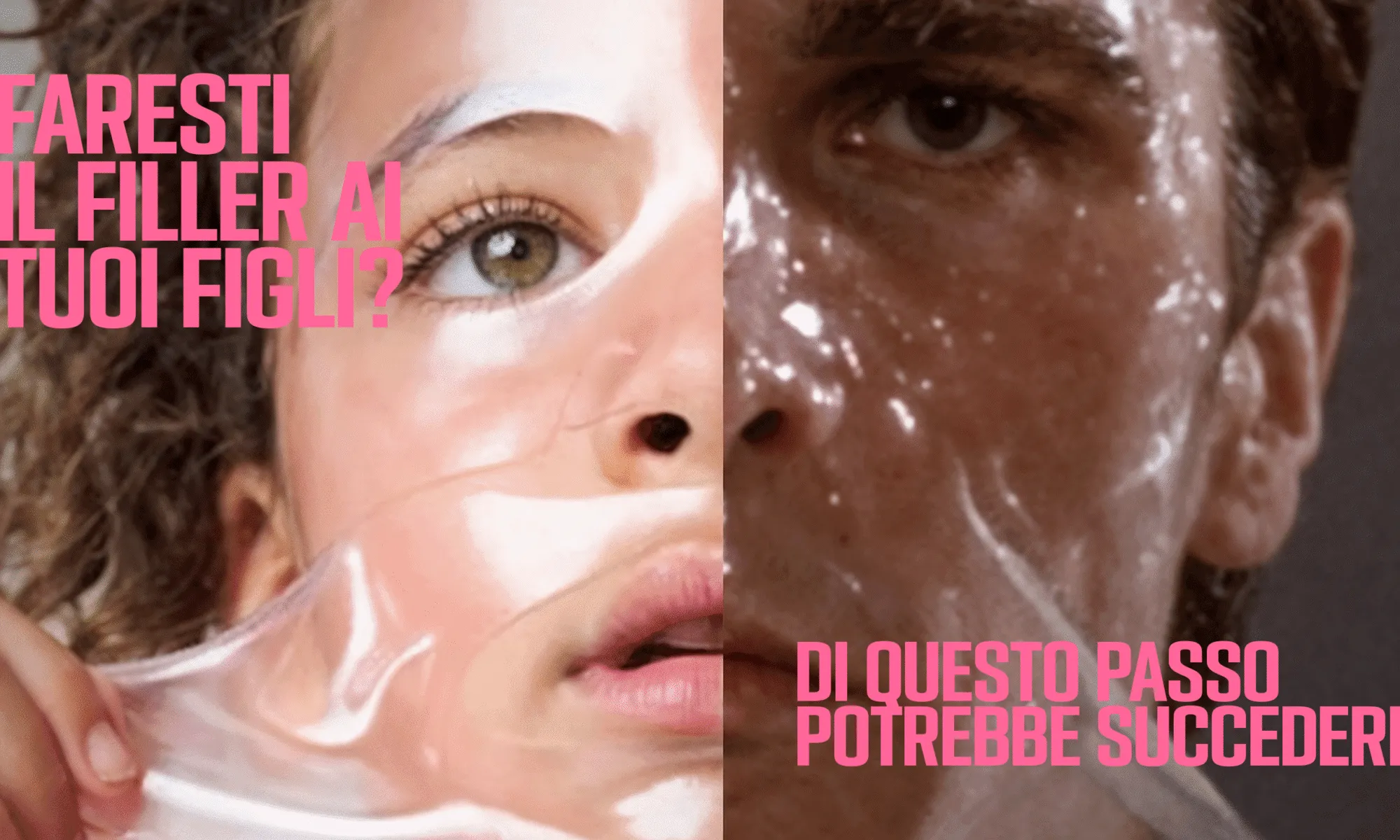
A new beauty line launched by yet another Hollywood star wouldn't be big news, were it not for the fact that the actress from Pretty Little Liars Shay Mitchell launched Rini, a skincare line for children aged 3 to 12, a few days ago.
For now, the brand aligns with the Korean trend of sheet masks (single-use masks), 100% cotton, with ultra-hydrating and soothing ingredients suitable even for children's delicate skin. The packaging, playful and instantly recognizable, features animal faces and a nursery-inspired aesthetic. The line isn't limited to masks: it already includes the first “kids-friendly” makeup products and body washes, with numerous new launches on the way, as teased by Shay Mitchell. The stated common thread is clear: gentle formulas, free from harsh or irritating ingredients, designed to reassure parents and turn skincare into a family ritual—and, above all, a commercial one.
Social media backlash
Take the booming beauty market, add concepts like “health” and “wellness,” throw in a generous helping of “Korean skincare,” and mix it all with the powerful trigger of “children.” It sounds like a marketing bombshell. But for now, Rini has only garnered an explosion of criticism.
Rini (a colloquial Korean word meaning “little ones”)—according to its founder Shay Mitchell—was inspired by her daughters' desire to "do what mommy does" with her face masksand isdesigned to inspire curiosity and confidence, while promoting healthy habits from an early age".
Another disclaimer “Rini isn't about beauty, but self-care. It teaches our children that taking care of themselves can be fun, gentle, and safe”.
However, aside from a few enthusiastic comments, social media users didn't "buy" the spiel this time from the mompreneur who cares about the “well-being” of her daughters by packaging K-beauty in an aesthetic full of pandas and unicorns.
Many users compared this stunt to an episode of Black Mirror. Influencer mom @just_chill_mama simply wrote "Horrified" under the post.
Another commenter wrote: "Why on earth would a child need to practice self-care? And these products don't have any effect anyway, so basically you're making parents pay for a product that serves no purpose. The message being sent to young girls is that they shouldn't age and that they should look like they are no more than 8 years old. This is absolutely wrong and harmful to young girls". Or even “Just because they want to "do what mom does" doesn't mean they should”.
There are also those who focus on the fact that the advertising campaign features only young girls, excluding the male audience.
The comment section has remained open for days. Proof that Dorian Gray's motto “There is no such thing as bad publicity” is also the first rule of marketing and show business. But, scrolling through, you see almost exclusively negative comments. So much so that one user wrote: "The comment section has restored my faith in humanity".
Age Anxiety: does mom always know what's best for her child?
Aside from Shay Mitchell and the brand's co-founders, it would seem so. Already last year, the web had risen up against the “Sephora Kids” phenomenon: children and preteens between 8 and 12 years old, who buy and use skincare products designed for adults, copying the multi-step logic of K-beauty Korean, which became famous for the goal of glass skin, meaning skin that looks smooth, polished, and almost transparent.
Even Kim Kardashian has a TikTok profile shared with her 11-year-old daughter, North West—with the disclaimer “managed by an adult”—on which a video was posted back in February 2023 showing the child demonstrating her skincare and makeup routine to her 19 million followers.
The problem is that many of these very young people are using products without supervision that contain active ingredients formulated for mature skin, such as:
- AHAs (alpha-hydroxy acids)andBHAs (beta-hydroxy acids): exfoliating acids that remove the surface layer of the skin, which are useful for adults but too irritating for children's skin.
- Vitamin A and its derivatives (retinoids/retinol): powerful stimulators of cell renewal, effective against wrinkles and acne, but inappropriate for a child.
- High-concentration Vitamin C: a highly active antioxidant that can be sensitizing and cause skin reactions.
Children and preteens, driven by social media tutorials, influencers, or the desire to “play grown-up,” are also trying DIY mixtures (for example, by indiscriminately combining different acids or serums) in the hope of achieving perfect skin.
This can cause real damage to the skin barrier, leading to dermatological consequences such as: persistent redness and burning skin, irritation and itching, breakouts, contact allergies,dermatitis and long-term skin sensitization. In some cases, dermatologists even report scarring or post-inflammatory hyperpigmentation.
Beyond the tangible damage, there are psychological effects:age-anxietythe anxiety of aging (much like Dorian Gray, the character from the novel of the same name who was obsessed with the idea of growing old), which already drives adults to extreme behaviors, is now being passed down to very young people, with an unchecked presence of “teen beauty influencers” who offer their peers tutorials on the “perfect” anti-aging beauty routine.
Rini: the opinion of US doctors
Rini seems to have been created to deflect criticism regarding its ingredients by offering a cosmetic line “designed” for children, but it has also raised alarms among experts.
The main criticisms from US dermatologists who have analyzed the components of the children's skincare line concern the risk that these beauty products, marketed as “gentle,” actually introduce an excess of unnecessary ingredients, potentially capable of damaging children's skin barriers, promoting long-term irritation and allergies.
In the New York Post , dermatologist Sandy Skotnicki, author of "Beyond Soap" and co-host of the podcast " Skin to It ", raised concerns after examining the list of ingredients:
- Children's skin is biologically differentbetween the ages of 3 and 5, it is thinner, more permeable, and less protected than that of adolescents and adults, making it more vulnerable to external agents.
- Risk of chemical overload: according to the American dermatologist, the INCI examined contains approximately 68 ingredients, a number considered excessive for skin that is still developing.
- Potential compromise of the skin barrier: children's skin is responsible for retaining moisture and repelling irritants; using too many ingredients can degrade its protective function, paving the way for irritation and sensitization.
- Increased dermatological risks: Skotnicki points to the growing incidence in children of permanent contact allergies, redness, burning, itching, rashes, and chronic sensitivities, all attributable to complex and unnecessary skincare routines.
- Not suitable for young skin: the dermatologist describes the formula as "not suitable for young skin" precisely because of the quantity and variety of ingredients, which cannot be justified in a child's routine.
Children's skincare: recommendations from BTX Bar doctors
This guidance is also supported by Dr. Camilla Di Pasquali, medical founder of BTX Bar. Children's skincare should remain minimal, protective, and not focused on aesthetic performance.
For proper skincare during the preschool years, they recommend:
- Yes to gentle, fragrance-free cleansers, to reduce the risk of allergies and dermatitis.
- In cold weather, use barrier or soothing creams on the most exposed areas to prevent damage from cold and wind.
- In summer, use adequate sun protection, the only truly "essential" product along with a cleanser.
- Children's skin produces sebum in a physiologically balanced way, so a "skincare" routine should be limited to maintaining skin balance without introducing complex or unnecessary active ingredients.
- No to products rich in ingredients, fragrances, or exfoliating actives (AHAs, BHAs, retinoids, high-concentration vitamin C)
In conclusion, a child's skin is naturally "designed" to remain soft and well-hydrated: the hydrolipidic film,still intact and rich, already performs a highly effective protective function. For this reason, unless otherwise advised by a dermatologist, it does not need elaborate routines or cosmetic actives designed for typical adult skin concerns. Sometimes, the best act of care is simply not to interfere with natural processes.
“Playing grown-up, for many adults today, was the first act of rebellion: secretly applying lipstick, stealing mom's makeup bag, wearing heels that were too big. It was just a game, a way to explore the boundaries of adulthood without actually having to live in them.
Today, however, the risk is different: it is no longer just about imitation, but about asking children to actually follow the same routines and beauty rituals as adults. And while play helps children grow, the pressure to conform can damage the very thing that should be protected: childhood, with its own pace, its own skin, and its own beauty that needs no filters.