



Gummy smile: how to correct it with fillers and Botox
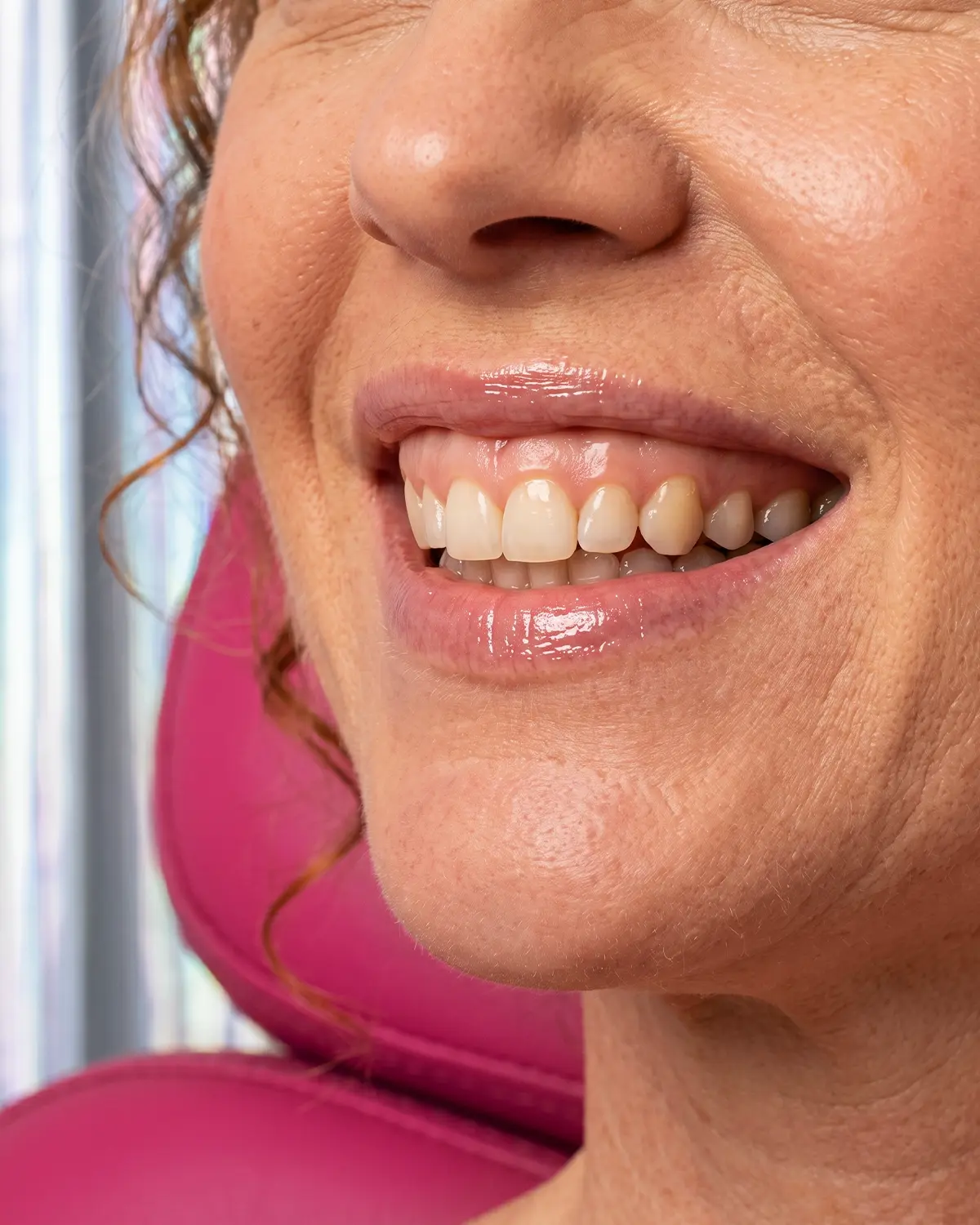
Thegummy smile, or gummy smile, refers to a condition where an excessive amount of upper gum tissue is exposed when smiling. Also known as a "high smile line," this phenomenon can be perceived by some as an aesthetic flaw, causing enough psychological distress to inhibit smiling. This condition affects 10% of the population.
Causes of a gummy smile
The cause of a gummy smile can be attributed to several factors, including:
- overactive upper lip elevator muscle: if this muscle is too active, it lifts the upper lip excessively when smiling, exposing the gums;
- position and length of the upper lip: a shorter or overly mobile upper lip can accentuate gum exposure;
- gingival hyperplasia: an increase in gum tissue volume can lead to a smile that exposes more gum than normal;
- short teeth or tooth position: orthodontic issues, such as teeth that have not fully erupted or are naturally short, can contribute to this effect.
Psychological implications
Thegummy smile, if perceived as an aesthetic flaw, can impact a patient's quality of life, causing self-consciousness about their smile and affecting their self-esteem.
This can lead to:
- avoiding smiling openly
- difficulty in social and professional interactions
- a feeling of disconnection from one's body image
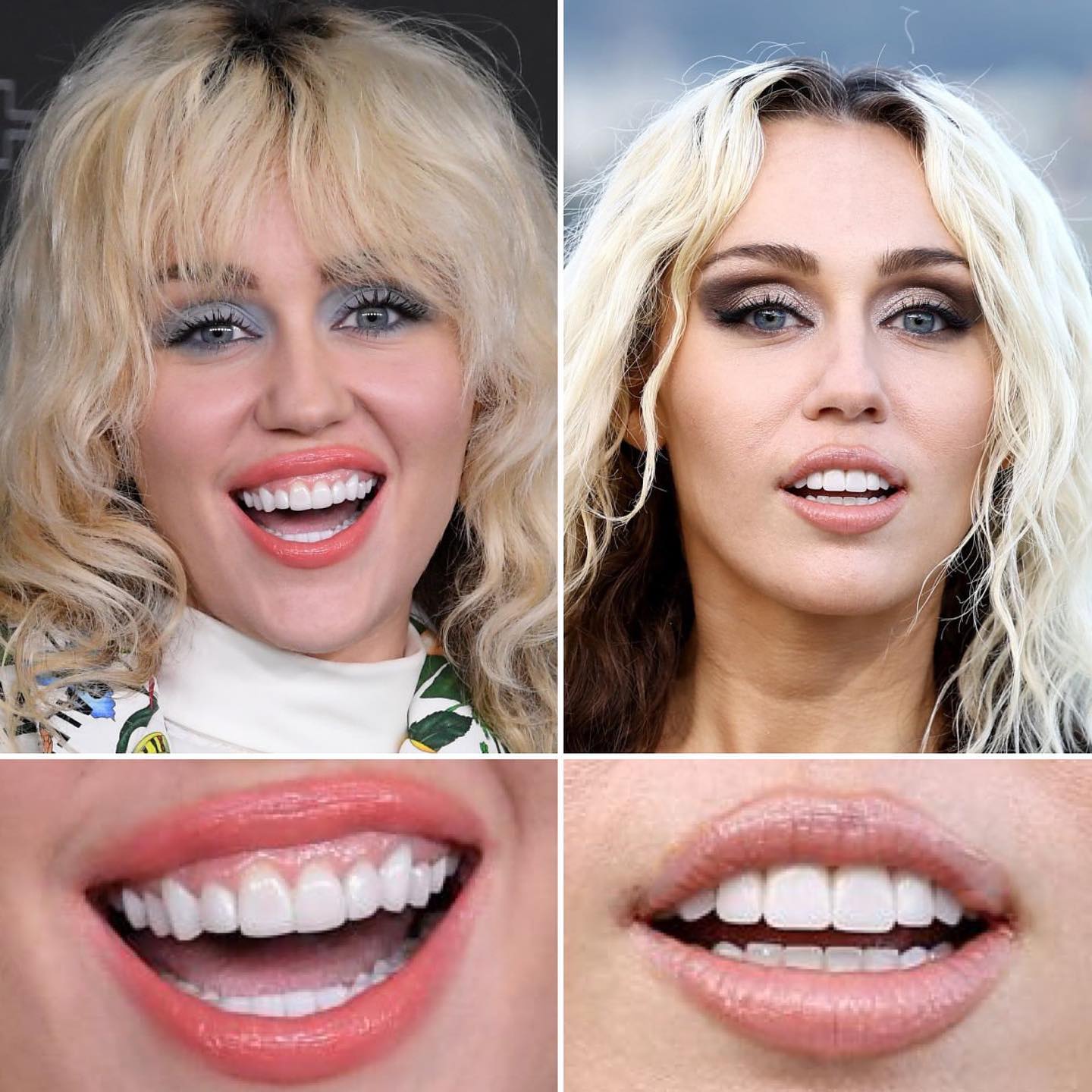
Treatment with fillers or Botox
There are several options for correcting a gummy smile. These range from specific exercises to train facial muscles and soften the effect, to non-invasive (and reversible) treatments like Botox and fillers, to orthodontic options, and even maxillofacial surgery.
In aesthetic medicine, the initial assessment focuses on the proportions and volume of the lips. Hyaluronic acid dermal fillers are very effective, especially when thin lips are present, as they accentuate the already excessive exposure of the gums. They add volume to the lips, improve the contour, and harmonize the smile, minimizing the amount of gum exposed.
Botox treatment (botulinum toxin type A) is another equally quick and non-invasive solution that aims to reduce the muscle activity that lifts the upper lip too high. It is one of the most common options in aesthetic medicine for correcting this aesthetic concern without the need for surgery.
Botox works by blocking nerve transmission in the treated muscles, temporarily putting their activity "at rest." In the case of a gummy smile, the botulinum toxin is injected into the upper lip elevator muscle to:
- reduce the hyperactivity of the muscle that lifts the lip
- limit excessive gum exposure when smiling
- restore a more balanced and natural smile.

Injection technique
The treatment is quick and minimally invasive. Small Botox injections (typically 4 to 6 points) are administered into the upper lip elevator muscles, in a specific area above the central and lateral incisors.
The amount of Botox administered varies based on the strength of the upper lip elevator muscle and the patient's individual response.
Duration of Effects
The filler-based treatment is immediately visible at the end of the session and lasts on average for about 4 to 6 months, after which you can proceed with another injection to maintain the desired result.
The effects of botulinum toxin for correcting a gummy smile appear after 3-5 days, reaching their peak in about 2 weeks. The duration of the effect varies from patient to patient, but generally lasts between 3 and 6 months. Subsequently, if the patient wishes, the treatment will need to be repeated.
Benefits of hyaluronic acid and Botox
- Non-invasive: It requires no incisions or recovery time.
- Minimal pain: The injections are quick and generally well-tolerated.
- Natural results: The treatment provides a more balanced smile without altering your natural facial expression.
- Quick recovery: Patients can return to their daily activities immediately after the treatment.
- Reversible solution and non-surgical: this is not a permanent solution. Once the effects of the botulinum toxin wear off, the patient is free to decide if and when to repeat the procedure throughout their life.
Considerations and limitations
Although filler and Botox treatments for a gummy smile are safe and effective, they are not suitable for all patients. Several factors should be considered:
- Follow-up and treatment monitoring: since this is a temporary solution, it is necessary for the aesthetic physician to monitor the effect and plan any touch-ups to maintain the desired results.
- Cases of excessive gingival hyperplasia or dental issues: in these cases, treatment with fillers and/or Botox may not be sufficient, and additional surgical or dental intervention may be required instead.
- Variable efficacy: not all patients respond to Botox in the same way, and some may require higher doses or multiple injections to achieve the desired results.
Advice from Dr. Martina Aliberto
Thegummy smile is a common condition that can have a significant aesthetic impact on a patient's self-perception, limiting their ability to express joy through their smile. Treatment with fillers and Botox, as we saw during our Masterclass at Rinascente (HERE) offers a non-invasive, quick, and safe solution to improve the aesthetic balance of the smile. Although these are not applicable to all types of gummy smiles, they represent one of the primary options for patients seeking a natural, non-surgical results. Personalizing the treatment and carefully evaluating the patient's individual characteristics are always essential to ensuring the success of any aesthetic medicine procedure.
This article was written by Dr. Martina Aliberto
Aesthetic Physician at BTX Bar Italia in Milan