


BTX Café 4: “I Break” – The beauty talk that turns gender-based violence into awareness and action
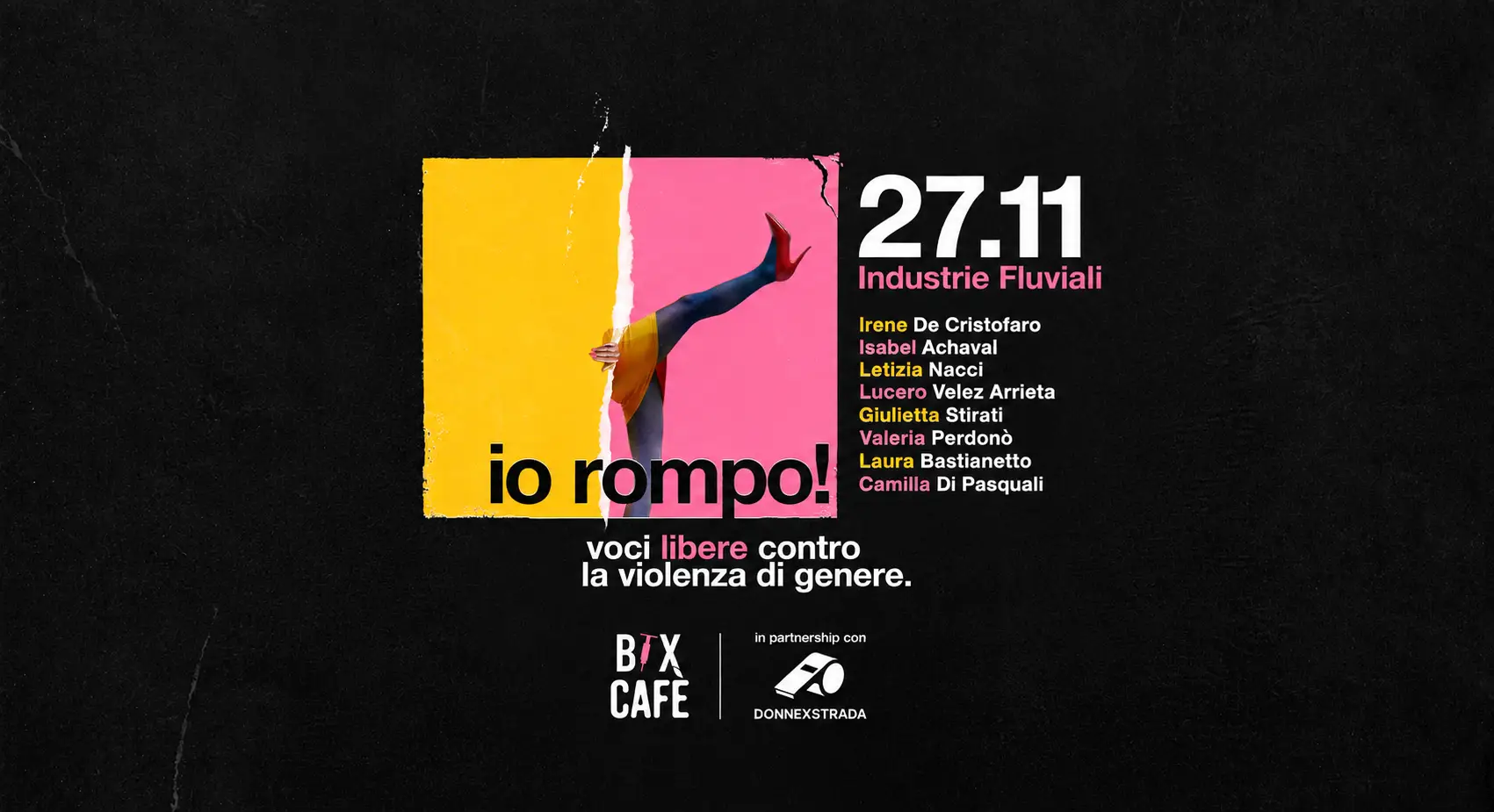
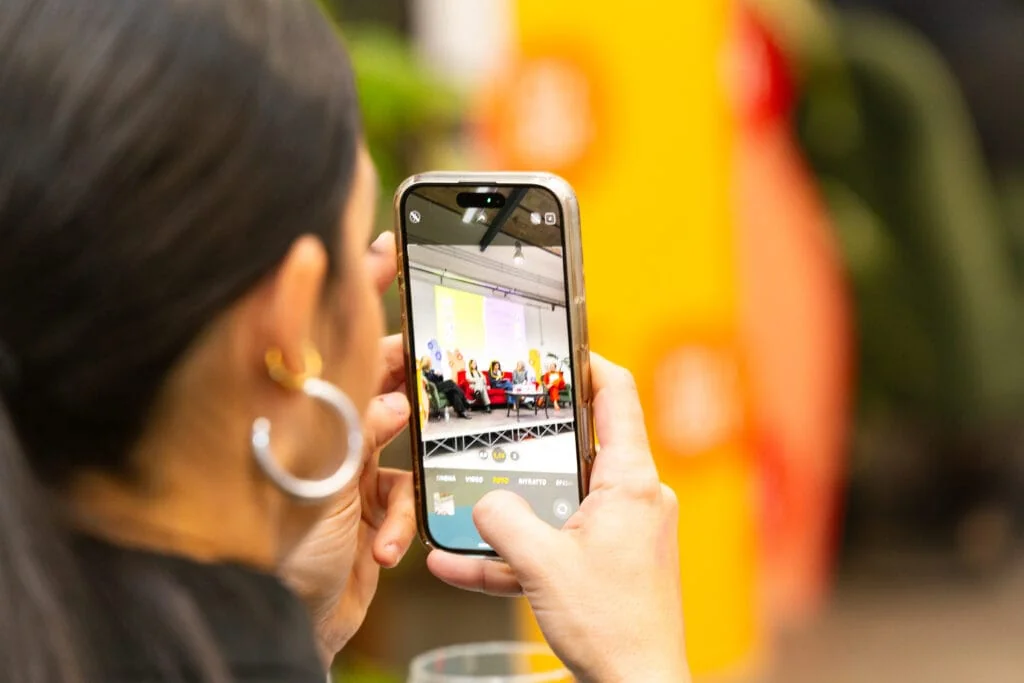
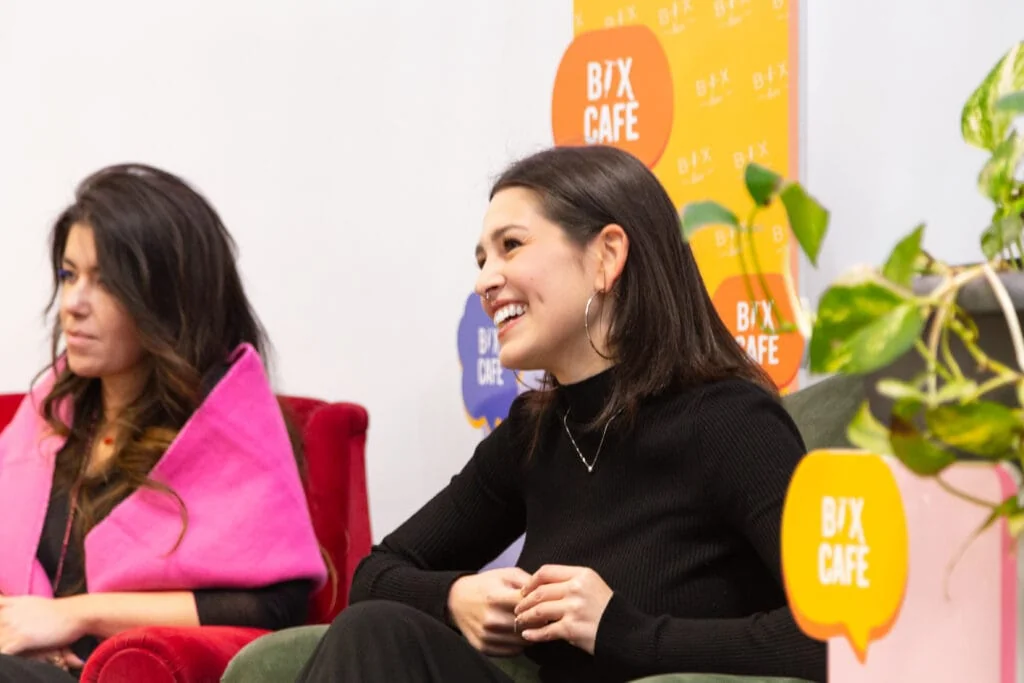
On Thursday, November 27th, in the creative spaces of IndustrieFluviali in Rome,BTX Cafè — the BTX Bar beauty talk — hosted a special and essential episode: “I Break – Free Voices Against Gender-Based Violence”.
An event that transformed the conversation on violence against women into an authentic, plural, and courageous dialogue, uniting art, empowerment, and culture as a common front to generate awareness and social change.
Watch the full video of the fourth episode here:
Arts, culture, and empowerment: when beauty becomes a tool for change
The BTX Cafè reaffirms its mission: using themes central to aesthetic medicine — self-care, identity, the body — as a gateway to discuss current events, real life, society, and women's safety.
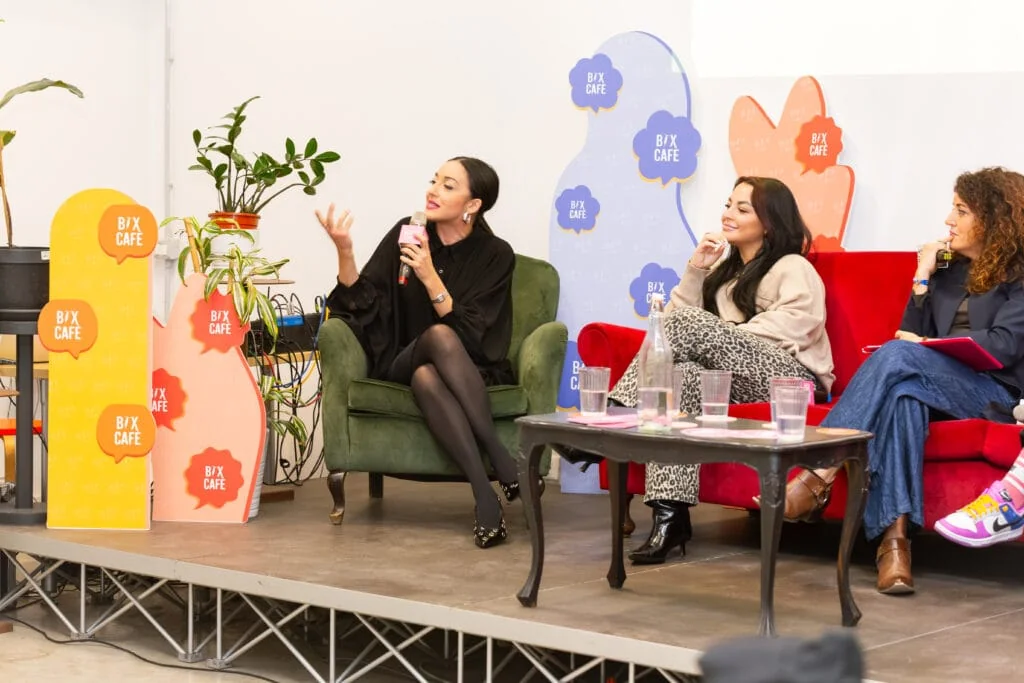
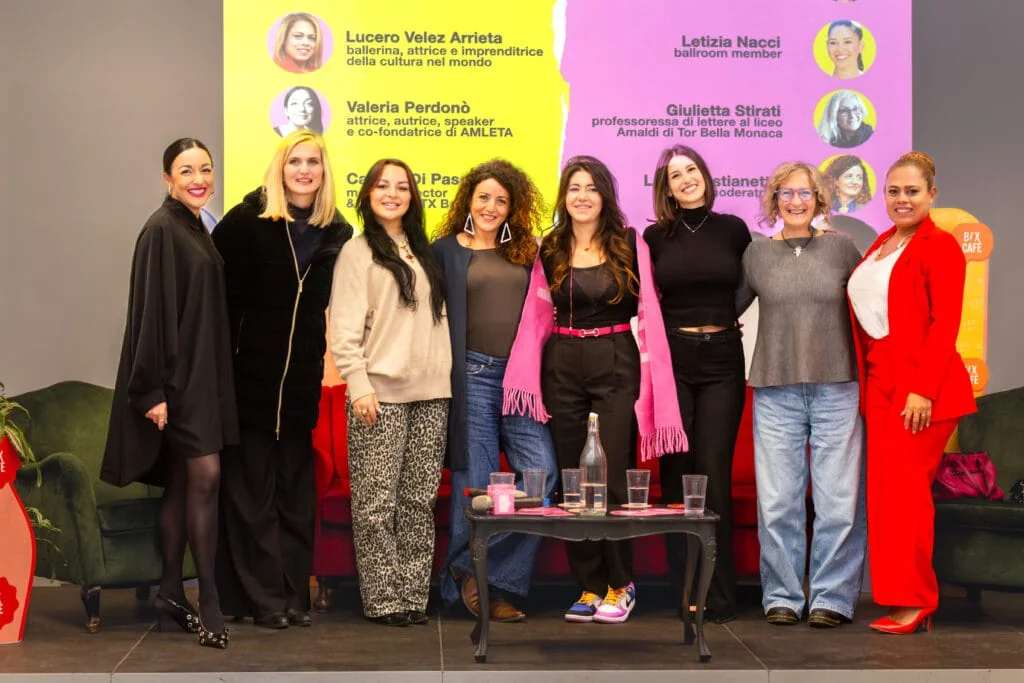
In partnership with DonnexStrada, an association committed to the prevention, protection, and support of those who are victims of violence, the talk addressed gender-based violence from various perspectives. On stage were artists,professionals,activists,performers and educators, who work in the field every day to break down prejudices and stereotypes and propose best practices for combating gender-based violence.
A lineup of women driving change
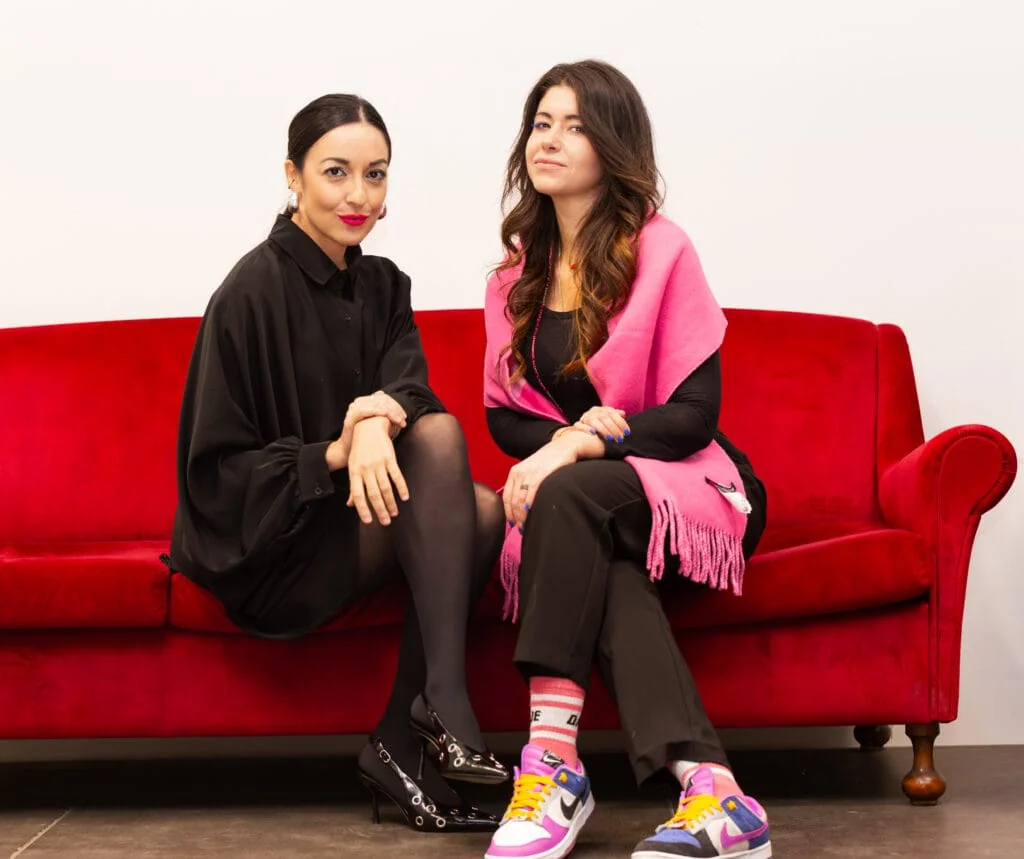
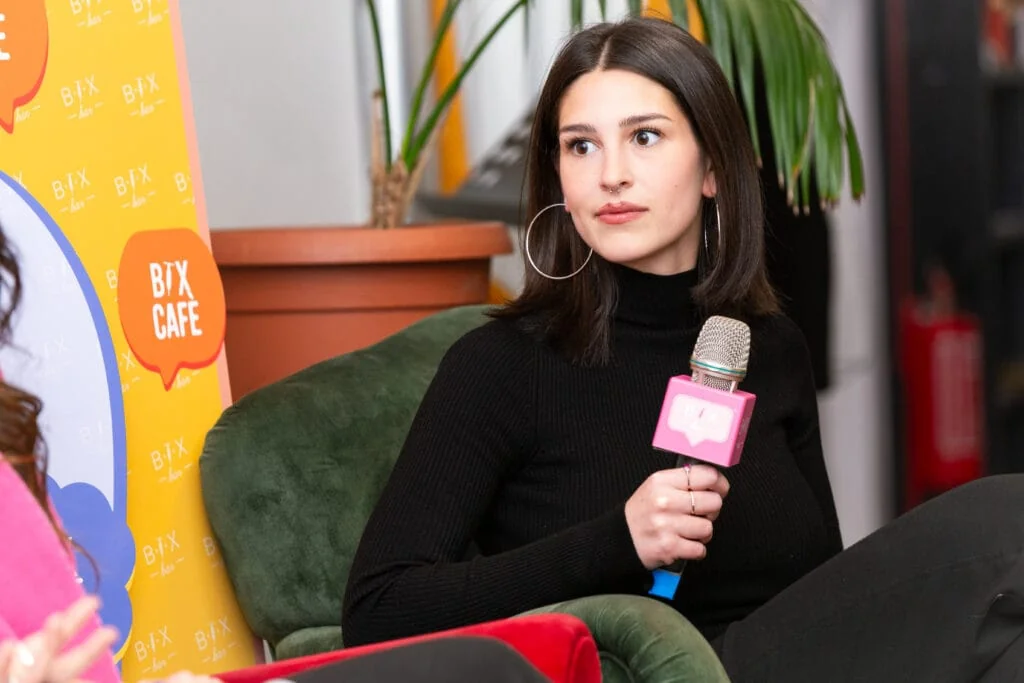
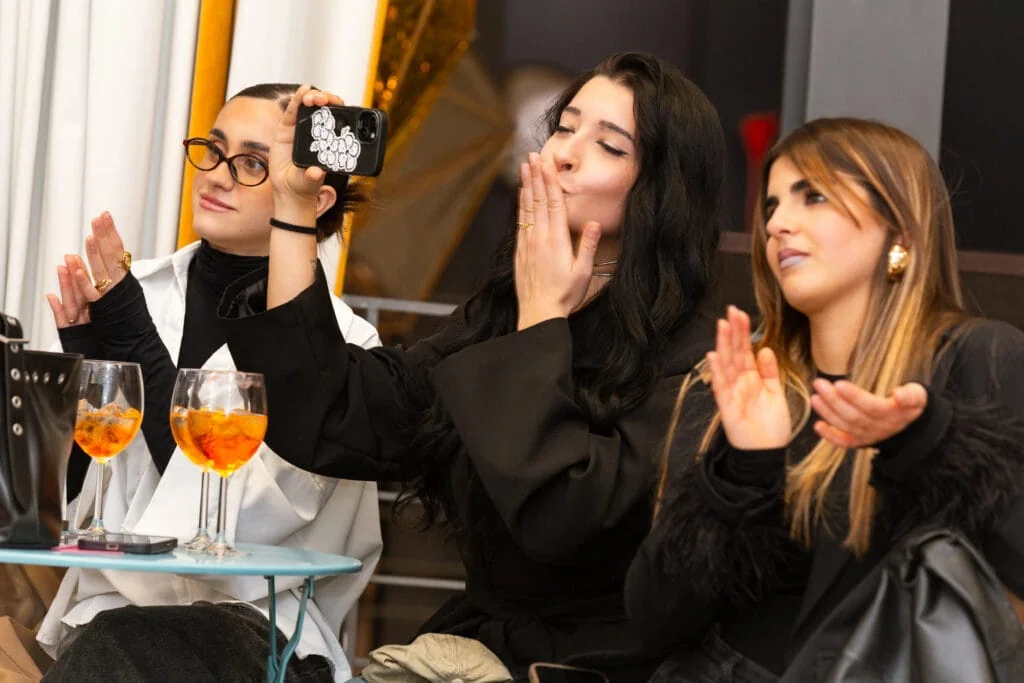
Moderated as usual by journalist Laura Bastianetto, BTX Cafè 4 created an atmosphere of listening, discussion, and depth, giving space to the stories and visions of the guests, while moving and actively engaging the audience at thefree event.
The result? A collective, international narrative on the theme of identity, the role, and the rights of women, which brought together personal stories,data analysis, arts,medicine,rights andculture.
BTX Bar interviews with the key figures of the fourth episode of BTX Cafè
Isabel Achaval – Journalist and director of Las Leonas
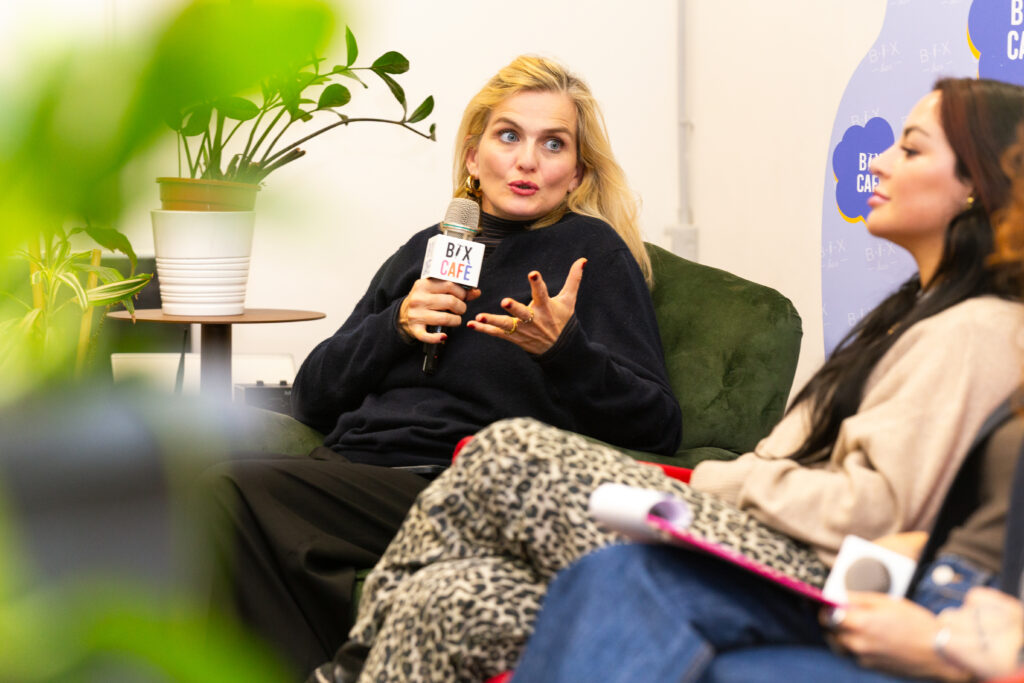
With her documentary on migrant women in Italy, Achaval highlighted the dimension of dignity gained through sport, healthy competition, and a sense of community.
The discussion also covered her other docu-series, "Who wants to talk about love?," in which two mothers and filmmakers—completely in the dark about the romantic and sexual lives of their children —interviewed dozens of Roman teenagers on a journey of discovery between generations that have historically struggled to communicate.
“We found chaos among the youth. With a single click, they have access to too much information, without the mastery to manage it. The impression we had—as adults—is that young people are afraid of real feelings , of commitment, of love. Even toxic relationships, digital stalking, and pornography addiction are often dangerously normalized.”
Irene De Cristofaro – Lawyer and legal advisor for DonnexStrada

The lawyer and DonnexStrada activist refocused attention on the gap between regulations, statistics, and real life, explaining how urgent it is to bridge the gender gap and make urban safety and legal support accessible, fast, and inclusive for everyone.
“When it comes to data, gender-based violence can be represented as a kind of iceberg, the vast majority of which is made up of everything that remains submerged. Everything you cannot yet record, that you cannot know, that people do not want to let you know, or do not yet think they have the right or duty to let you know. The entirety of this iceberg is an integral part of gender-based violence.”
Lucero Velez Arrieta – Dancer, actress, cultural entrepreneur
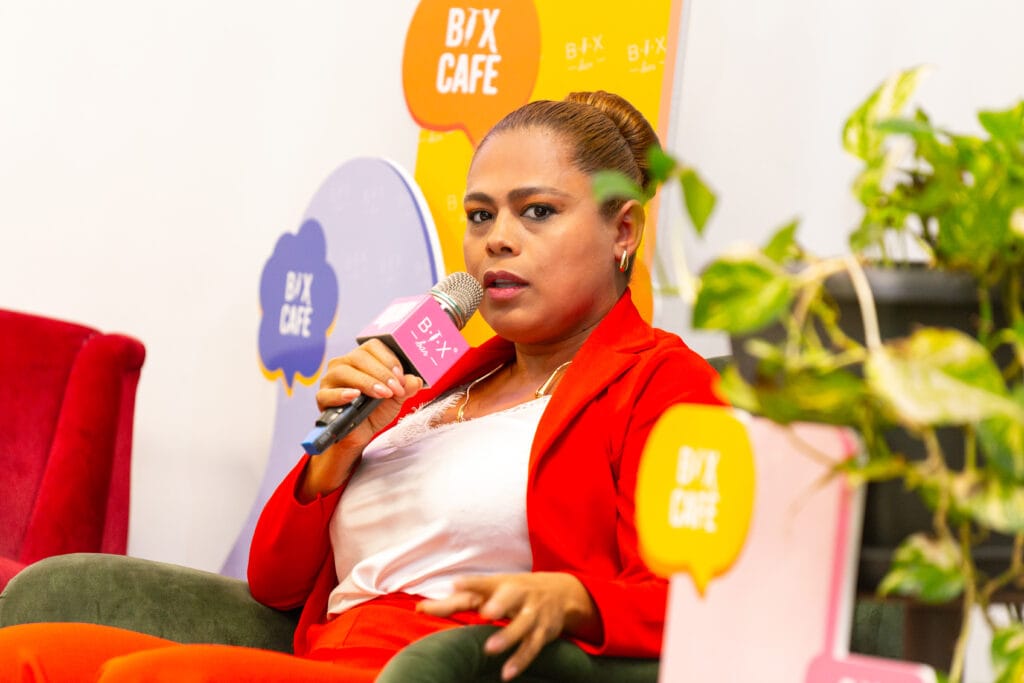
Lucero Velez Arrieta shared her journey as an "empowered woman" from Mexico to Italy, where she found the courage and strength to finally claim her voice through dance and acting.
"For me, that world—along with the family I belonged to—wasn't mine. I couldn't read books, play soccer, sing, dance, or wear a shorter skirt. I, on the other hand, wanted to follow my instincts and become someone. But above all, I wanted to feel loved. That is why I decided to come to Italy.
I wanted a microphone. And I took it."
Letizia Nacci – Ballroom member
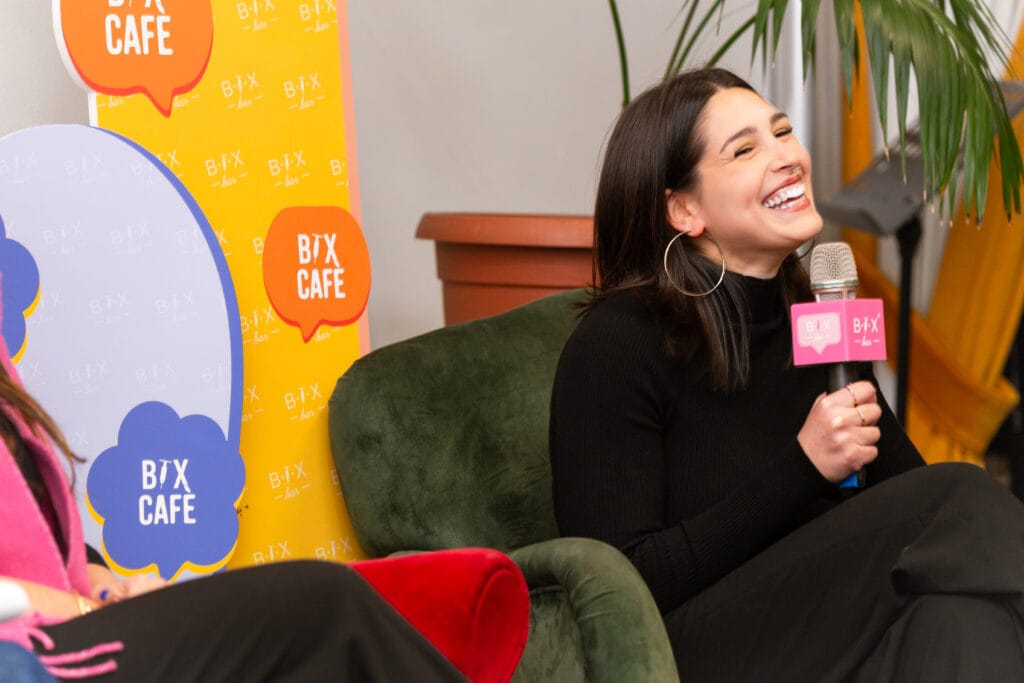
Through her testimony, she took us into the underground world of ballroom culture, which emerged in 1970s New York as a safe and supportive space—especially for LGBTQ+ African Americans and Latinos—offering an alternative to the biological families that tended to reject them.
Letizia's talk confirms how even a white, cisgender woman in 2025 may need to experience ballroom as a protected space for expression and self-determination.
As a dancer and future psychotherapist, Letizia shares:
"The simple fact of being a woman with a body carries negative connotations in itself. The female body is still too often objectified and stigmatized. Ballroom gave me the power to decide how I want people to perceive my body and, consequently, my sexual identity. And being celebrated for that, rather than feeling afraid or guilty, is a tremendous form of therapy."
Valeria Perdonò – Actress, author, co-founder of AMLETA

The actress and activist from the collective Amleta - created to expose abuse and violence in the entertainment industry against female artists - has brought the perspective of the entertainment world, where stereotypes, imposed roles, and discrimination are still deeply rooted. And they influence the collective imagination.
To change culture, we must change the stories we tell.
"Seeing is power. It is important to ask ourselves whether our desires are truly free or if narratives and representations are trapping us in an idea of ourselves that is not real and does not belong to us, thereby compromising our ability to generate desire and, consequently, to transform reality."
Giulietta Stirati – Literature teacher at the Amaldi high school in Rome

At a time when the debate onsex and relationship education for young people is heating up, the professor has refocused attention on the school as a primary cultural safeguard. It is possible to provide "sentimental education" even in a high school in a challenging suburb like Tor Bella Monaca, by offering students "cultural journeys" that range from Latin classics to contemporary cinema.
Through the arts and literature, we can expand the boundaries of knowledge, but also touch consciences and prepare fertile ground for dialogue and the healthy growth of the men and women of the future.
Revolutions are also made through words and language:
"Through language, we women have internalized the male gaze. We must recognize that there is a language that we women can speak, but have never spoken, because we have always studied and learned the language of men."
Camilla Di Pasquali – Medical Director & Founder, BTX Bar
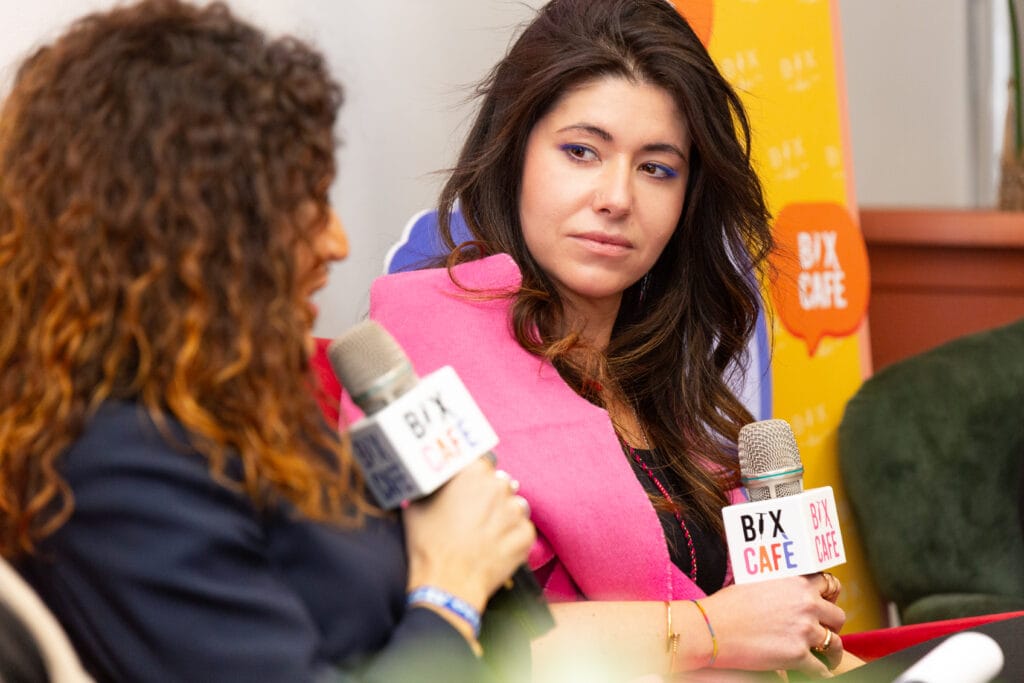
Camilla Di Pasquali brought the discussion back to her mission as a plastic surgeon and medical director of the BTX Bar: using self-care as a form of empowerment, never as a tool for conformity.
"Prejudice reigns supreme, even in the world of medicine and surgery. It's manual labor, done with the hands, so the assumption is that a woman can't do it. Overturning these and other prejudices is the work we do at the BTX Bar: we want to dismantle the stigma and show that aesthetic medicine is not what we've been told—it's not about excess. Our message is that you are fine as you are; you can come to us exactly as you are (in drag, cis, or non-binary). Our job is to enhance who you are. Not who you think you should be because it was imposed on you."
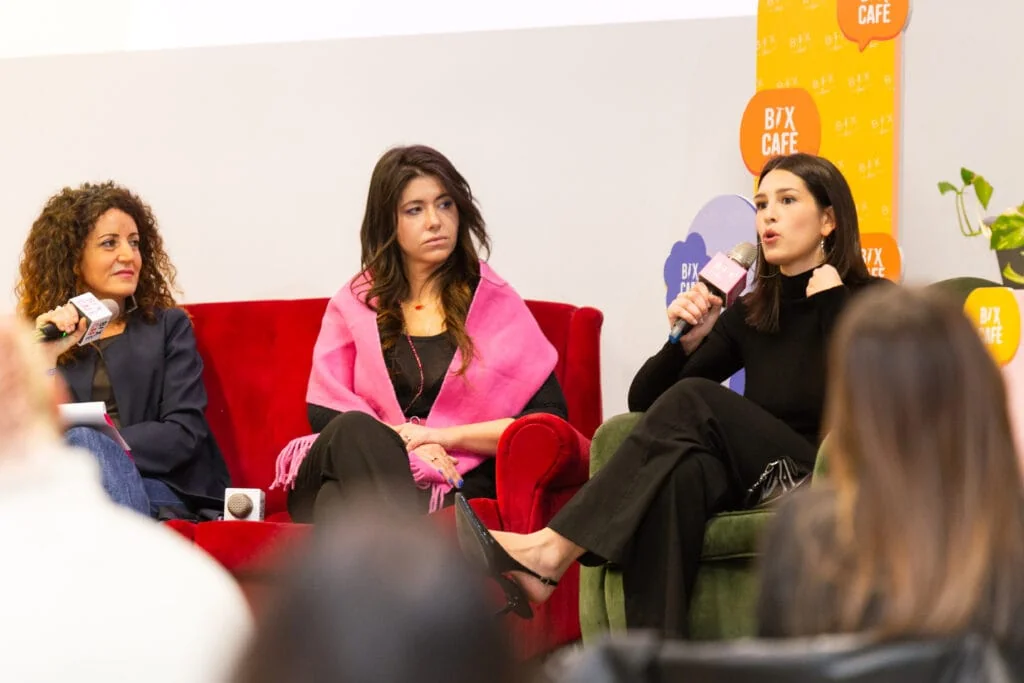
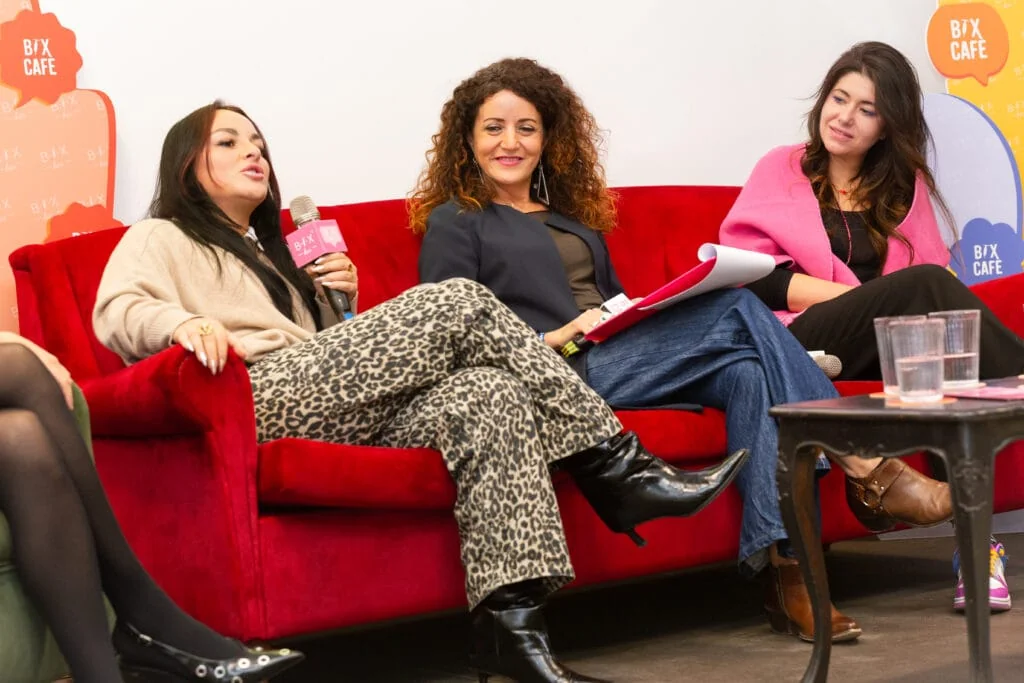


I break: the BTX Bar manifesto episode
This fourth episode of the BTX Café reaffirms its value as a cultural manifesto for the BTX Bar. By breaking the silence through a collective and as inclusive a narrative as possible, it aims to break stereotypical narratives of gender-based violence but also of the beauty.
BTX Bar thus confirms its role as a contemporary cultural laboratory, where aesthetics and social commitment meet, sparking conversations that create a real impact in the community.